Buying & selling · · 7 min read
Selling a property in Spain as a non-resident: taxes, the 3% withholding and form 210 (2026)
If you live outside Spain and sell a home in Madrid, the buyer keeps back 3% of the price for the tax office. Here is what you actually owe, how to get the difference back and what the town hall charges on top.
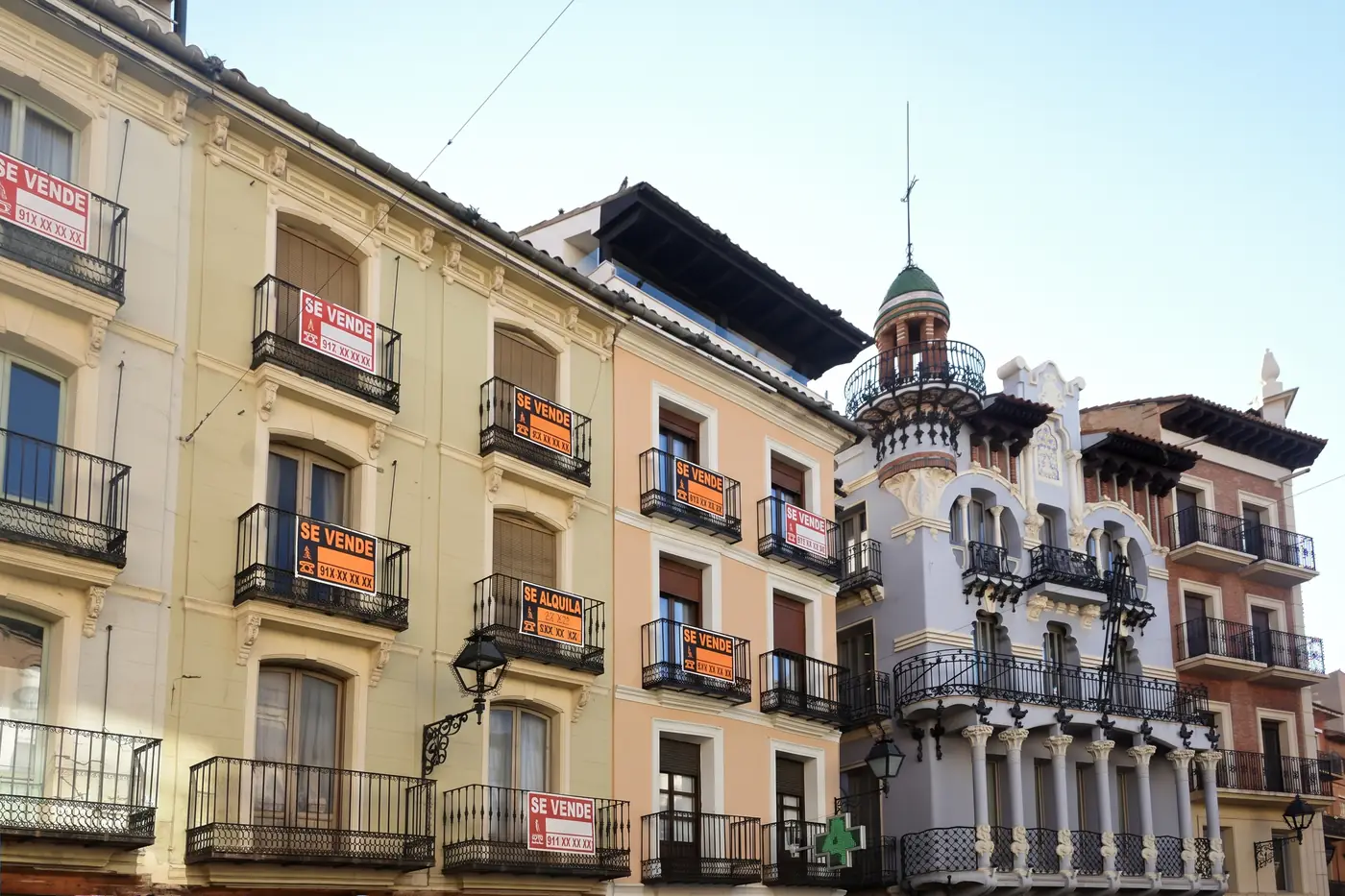
Selling a property in Spain when you live abroad works almost exactly like selling as a resident: same notary, same deed, same land registry. The difference is in the taxes, and especially in one detail that surprises many sellers on the day of signing: the buyer does not pay you the full price.
The 3% the buyer keeps back
When the seller is not tax-resident in Spain, Spanish law requires the buyer to withhold 3% of the agreed price and pay it to the Spanish Tax Agency (Agencia Tributaria) within one month, using form 211. It is not an extra cost: it is an advance payment on the tax you owe on your gain.
How much tax you really pay on the gain
Non-residents pay a flat 19% on the capital gain, whether they live in the EU or elsewhere. The gain is, roughly, the sale price minus the selling costs, minus what you paid for the property plus the purchase costs and documented improvements.
| Amount | |
|---|---|
| Sale price | €400,000 |
| Selling costs (commission, plusvalía…) | − €15,000 |
| Purchase price + purchase costs | − €300,000 |
| Gain | €85,000 |
| Tax at 19% | €16,150 |
| Already withheld by the buyer (3%) | − €12,000 |
| Still to pay with form 210 | €4,150 |
Illustrative figures. Your own calculation depends on your documents.
If the 3% withheld is more than your tax (or if you sold at a loss), you get the difference back, but only if you file. Many sellers never do and simply lose the money.
Form 210: the return that settles it
You settle the tax with form 210. The deadline is three months after the one-month period the buyer has to pay the 3%, so in practice about four months after the sale. You must file it even if you made a loss, to recover the withholding.
- Keep the deed of purchase and the deed of sale.
- Keep invoices for improvements and the costs of buying and selling.
- Ask the buyer, or the notary, for a copy of form 211.
- If you do not have a Spanish address for notifications, appoint a representative.
The plusvalía: the town hall’s tax
Separately, the town hall charges a tax on the increase in value of the land: the plusvalía municipal (IIVTNU). In Madrid city the rate for 2026 is 29%, applied to a base calculated in one of two ways; you pay whichever is lower. If there is no real gain on the land, there is no tax.
There is a twist for non-residents: when the seller is a non-resident individual, the buyer becomes responsible for paying the plusvalía. That is why buyers usually keep back the estimated amount from the price as well. It should be agreed in the contract from the start.
The energy performance certificate
Every sale needs an energy performance certificate, registered with the Comunidad de Madrid, and the energy rating must appear in the adverts. It is valid for 10 years (5 if the rating is G).
What about the country where you live?
Your country of residence may also tax the gain, usually with a credit for the Spanish tax under the tax treaty. Ask your adviser at home; a clear breakdown of the Spanish figures makes their job easier.
Frequently asked questions
Do I have to pay the 3% if I sell at a loss?
The buyer still has to withhold it. Then you file form 210 showing the loss and ask for the 3% back.
Can someone else file form 210 for me?
Yes. A representative or adviser in Spain can file it on your behalf, which is usually the easiest option if you live abroad.
Who pays the plusvalía if I am a non-resident?
Normally the seller, but when the seller is a non-resident individual the law makes the buyer responsible for paying it, so buyers usually keep back the estimated amount. Agree it clearly in the contract.